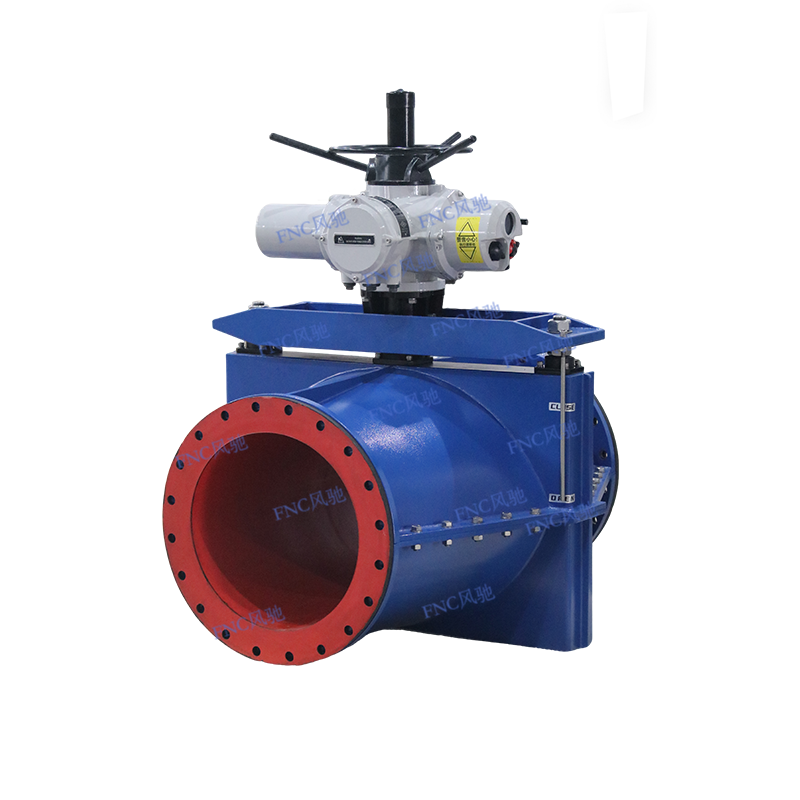
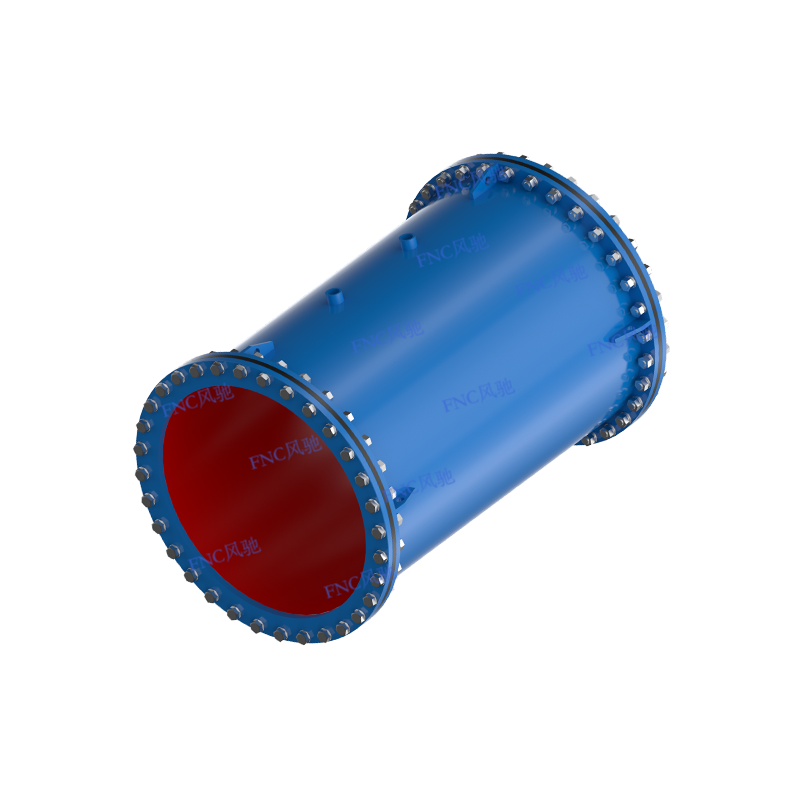
Slurry valves rarely fail by accident. When a mine processing line loses control of a high-density, abrasive slurry, the cause is almost always a valve that was selected with the wrong flow path, the wrong elastomer, or no understanding of how the solids actually behave. The industry data and our own experience point to a single conclusion: for abrasive, high-solid media, the most reliable options are pinch valves and heavy-duty slurry knife gate valves, with air-operated pinch valves for automated control.
Core conclusion: Choose a valve with a full port opening, self-cleaning sealing areas, and no internal pinch points. Pinch valves and slurry knife gate valves meet these criteria better than ball or diaphragm valves for most abrasive slurries.
Why Slurry Valves Fail and the Design Principle That Solves It
Slurry is not water. It carries rocks, sand, and abrasive particles that act like a grinding compound on every internal surface. The valve design must address four specific failure modes, each tied to a measurable property.
Full Port Opening Prevents Bridging
A narrow or partial opening lets solids accumulate on the center of a butterfly or ball seat, forming a bridge that blocks the flow. A full-bore design eliminates this cavity and keeps the flow path clear.
Self-Cleaning Sealing Areas Reduce Jamming
Slide gate valves trap slurry in their tracks, and every cycle grinds the sealing surface. Elastic pinch sleeves shed trapped particles as they close, keeping the seal clean without wipers or scrapers.
No Pinch Points Avoid Packing and Seat Damage
Tight internal clearances in conventional valves let slurry pack into corners, tearing elastomer seats or jamming the actuator. A pinch valve has a single flexible tube that completely closes, leaving no cavity for solids to accumulate.
Elastomer Wear Resistance Is Non-Negotiable
For fine tailings and mineral slurries, the elastomer hardness and abrasion index matter more than body material. Choose a reinforced rubber sleeve with high resilience to maintain tight shutoff over years of cycling.
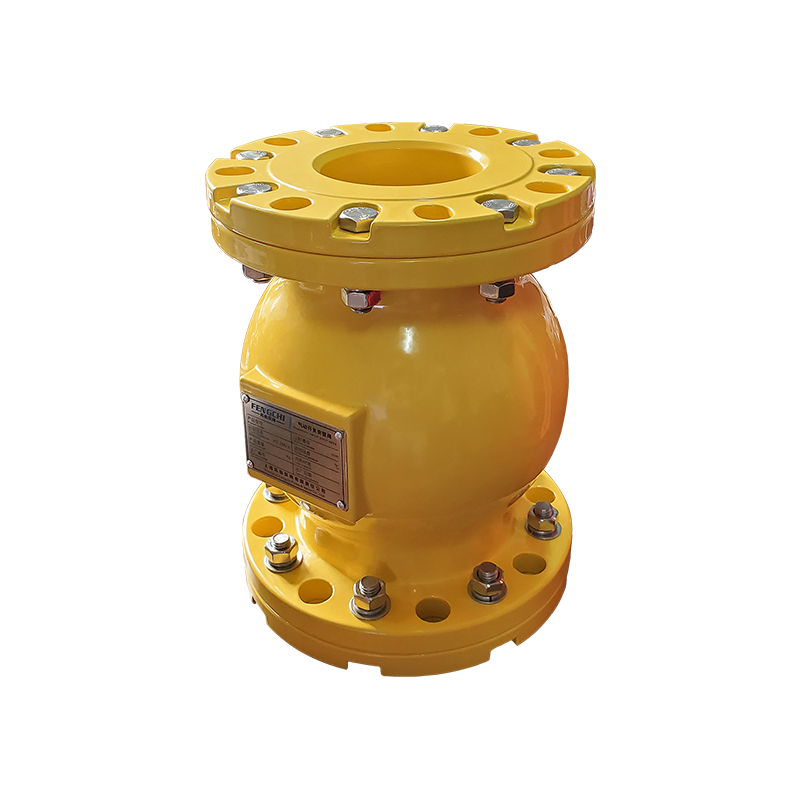 Standard Air Operated Pinch Valves for Resilient Slurry Shutoff Ideal for fine tailings and mineral slurries, these pinch valves feature a reinforced rubber sleeve that maintains tight shutoff over years of cycling. Available from DN15 to DN2000 with low flow resistance. View Product →
 Valve Type Comparison for Slurry Service
The table below compares the four most common valve types used for slurry lines in mining and mineral processing. The ratings are based on standard slurry valve selection criteria: flow path, sealing mechanism, and maintenance behavior.
Valve Type
Best For
Advantages
Limitations
Pinch Valve
High solids, abrasive slurries
Full port, self-cleaning, low maintenance
Limited to moderate pressure
Slurry Knife Gate Valve
Heavy slurries, large particle size
Rugged, works in high pressure
Seat packing needs frequent cleaning
Ball Valve
Clean, low-solid fluids
Tight shutoff, compact
Susceptible to packing and seat erosion
Diaphragm Valve
Chemical slurry, low temp
Excellent corrosion resistance
Limited pressure, diaphragm fatigue
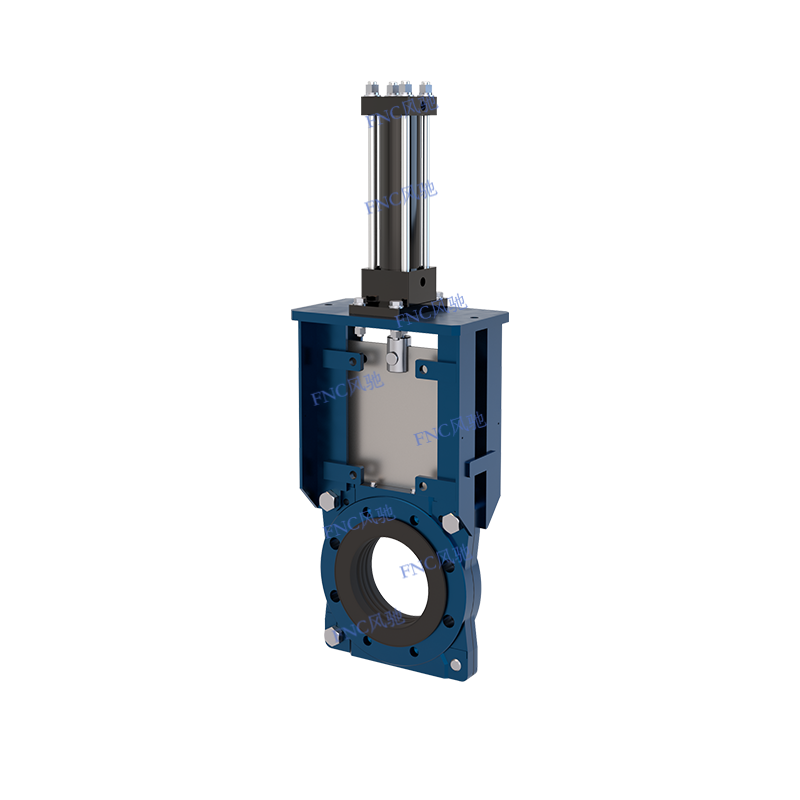 KGV-D Knife Gate Valves for Full-Bore Slurry Isolation Suitable for mineral slurry and paper pulp, this knife gate valve offers a full-bore unobstructed flow path with Class V leakage. It comes in sizes DN50 to DN1500 and supports various connections. View Product →
 Hidden Metrics That Predict Slurry Valve Performance
The published valve rating never tells the whole story. In field service, the metal body can outlast the critical soft seals, and the metric that actually determines uptime is how long the sealing interface survives in contact with the slurry. The chart below shows typical service life for three slurry valve types in an abrasive mine tailings application.
The deeper insight is not just the number of months. A pinch valve's sleeve can be replaced in minutes without breaking the pipeline, while a knife gate seat repair often requires rigid disassembly. This means the total cost of ownership depends on both the service life and the labor cost of each replacement. In a typical mine, a 36-month pinch valve with a 30-minute repair can cost less over five years than an 18-month knife gate that needs a full-day shutdown just to access the seals.
Where Slurry Valves Are Used Across Industries
Based on our project portfolio and typical mine-site installations, the distribution of slurry valve applications is not uniform. The mining sector accounts for the majority, followed by chemical processing and water treatment. These shares shift when coarse solids are present, which pushes more users toward full-bore pinch designs.
Mining & mineral processing: 60%
Chemical processing: 20%
Water & wastewater: 10%
Other heavy industry: 10%
In mining, the most challenging installations are often tailings lines and thickener underflow, where the slurry is dense and abrasive. These are exactly the applications that push engineers away from standard gate or ball valves and toward pinch valves and slurry knife gate valves.
A Practical Slurry Valve Selection Flowchart
To avoid the common pitfalls described above, follow this four-step procedure. The process is designed to convert your pipeline data into a valve specification that will survive in abrasive service.
Step 1: Define the Slurry
Record particle size, concentration, pH, temperature, and presence of fibers or rocks. This determines whether a full-bore design is mandatory and which elastomer grade is safe.
Step 2: Determine Pressure and Flow
Specify the maximum operating pressure and close-off pressure. For high-pressure circuits, a heavy-duty knife gate or a reinforced pinch valve is needed; for gravity flow, a smaller open-body design may suffice.
Step 3: Choose the Valve Type
For abrasive slurries with suspended solids, choose a full-port pinch valve or a slurry knife gate valve. Avoid ball and butterfly valves unless the solids content is below 5%.
Step 4: Configure Actuator and Elastomer
Select an air-operated actuator for remote or automated control, or a manual lever for simple isolation. Choose the elastomer based on temperature and chemical compatibility, not just price.
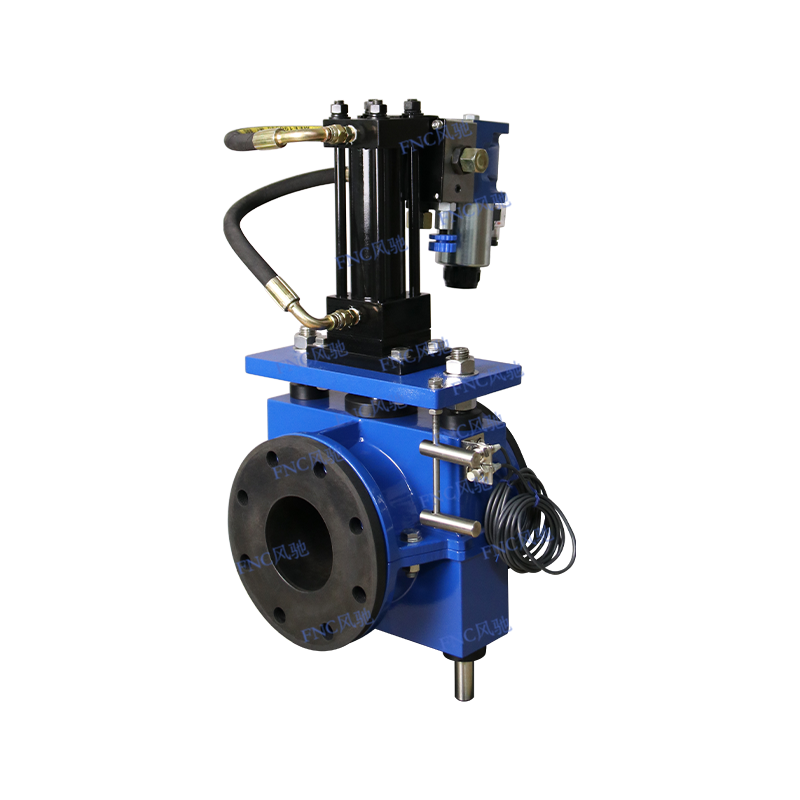 Closed Body Pinch Valve for Abrasive Media Handling This closed body pinch valve is built for abrasive media, with a full-bore flow path and elastomer sleeve options for temperatures up to 160°C. Its design supports easy inspection and maintenance of wear points. View Product →
 Maintenance, Compliance, and Service Life Extension
Even the best slurry valve will not deliver years of service if the maintenance plan ignores the real wear points. In abrasive service, the elastomer sleeve or seat is the consumable. A practical maintenance routine includes monthly inspection of the sleeve for cracks, periodic tightening of flanges, and monitoring of close-off leakage.
From a compliance standpoint, a manufacturer serving international markets should be able to provide ISO9001-2015, ISO14000, ISO45001, CE, and RoHS documentation. These certifications cover quality management, environmental management, occupational safety, and material restrictions. Before handing over your valve specification, verify that these certificates are current and cover the manufacturing site where your valves are actually produced.
For more detail on sizing, installation, and materials, see our slurry knife gate valve selection guide . This guide walks through the practical decisions we take when helping a mine choose between gate and pinch options.
Selecting a slurry valve is a decision about predictability, not just price. The valve that keeps your process running through abrasive and dirty media is the one that is engineered for full flow, self-cleaning sealing, and easy replacement of wear parts. By applying the comparison, hidden metrics, and selection steps in this article, you can reduce maintenance costs and avoid catastrophic downtime. If you are evaluating a new slurry line, start by defining the solids and then match the valve type to the real demands of the flow path.


 IT
IT